Insurance Supplements for Auto Repair Shops: Straight Answers to the Questions Owners Ask
Why supplements get denied, when to document damage, and how to make the customer conversation shorter. Straight answers for auto repair shop owners.
A supplement is the part of the bill you did not see coming. The insurer approved an estimate, your tech opened the car, and there was more damage than the original scope covered. The supplement is how that extra work gets paid.
Shops lose money on supplements for two reasons: the work never gets documented, or the documentation arrives too late and too thin to argue with. Here are the questions owners ask most, answered plainly.
What exactly is a supplement?
A supplement is a revised estimate submitted to the insurer after the original approval, covering damage found during the repair that was not in the original scope. It is a normal part of collision work, not an exception. Cars hide damage until they are apart.
Why do supplements get denied?
The common causes are consistent:
- No evidence. The damage is described in a line item but not shown. Adjusters work from what they can see.
- Late submission. Work is already completed before anyone documents it, so the conversation becomes a favour request rather than a claim.
- Scope creep. Items get bundled without a clear link to the damage that justifies them.
- Poor photo quality. Wide shots that show a whole car and prove nothing about one panel.
Every one of those is a documentation problem, not a repair problem. Which is why the fix sits upstream of the supplement conversation itself.
When should the damage be documented?
At intake, before the estimate is approved, and again the moment anything new is found.
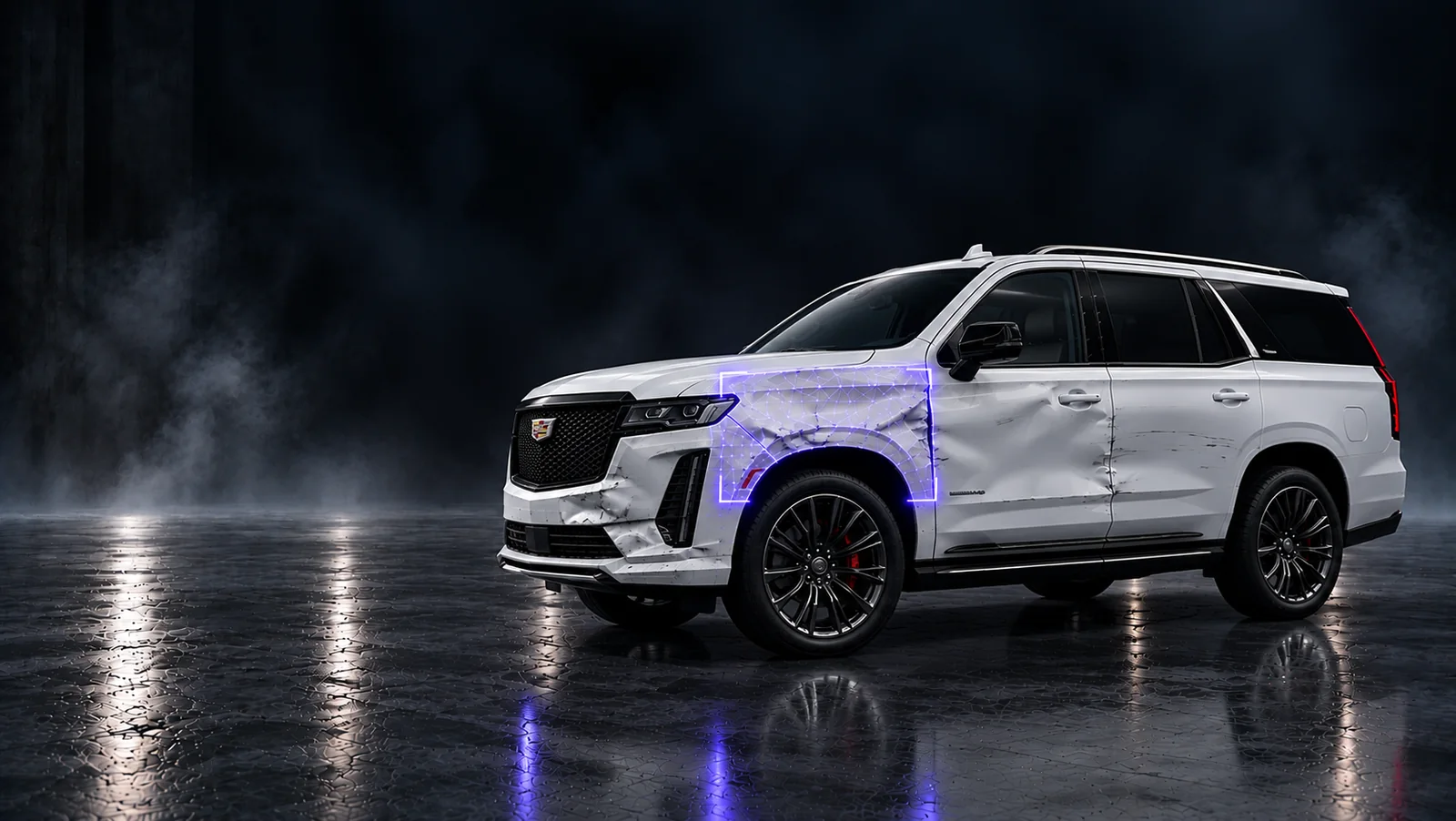
The strongest position a shop can be in is having photographed and mapped the damage before the customer arrived. When the supplement conversation starts, the images are already in the file and the customer has already seen them.
How do you make the customer conversation easier?
The customer does not need to understand supplements. They need to understand the photographs.
When the customer has taken the photos themselves, or seen the mapped damage report from their own pictures, the supplement stops sounding like an upsell. "There is more damage here, and here is the picture of it" is a short conversation. "The total went up by a number you did not expect" is a long one.
Do photos really carry that much weight with an insurer?
Photos do not negotiate, but they establish what is not in dispute. A clear, complete image set plus a consistent damage report turns a supplement from a claim about what the shop believes into a record of what the vehicle shows. That is the difference between an adjuster deciding and an adjuster verifying.
How do you stop missing the damage in the first place?
The missed repair is the expensive one, because it never becomes a supplement at all. It becomes a comeback, a discount or a job you absorbed.
The fix is mechanical rather than motivational: a consistent detection step on every vehicle, before the estimate is written. Fusion AI takes the customer's photos, detects and maps the visible damage, and attaches a report to the job, so the starting estimate reflects what is actually on the car.
Does documentation speed up payment?
It removes the back-and-forth that eats the time. Fewer open questions means fewer requests for more information, and a cleaner file when the invoice is submitted. Shops work hard enough for the money without doing the paperwork twice.
Common questions
Who is responsible for submitting the supplement?
The shop documents and submits it. The customer's role is to understand and be aware of the change.
Can a supplement be submitted after the repair is finished?
It can, but the position is weaker. Documentation captured during repair is always stronger than reconstruction after it.
Does Katalyst decide what gets approved?
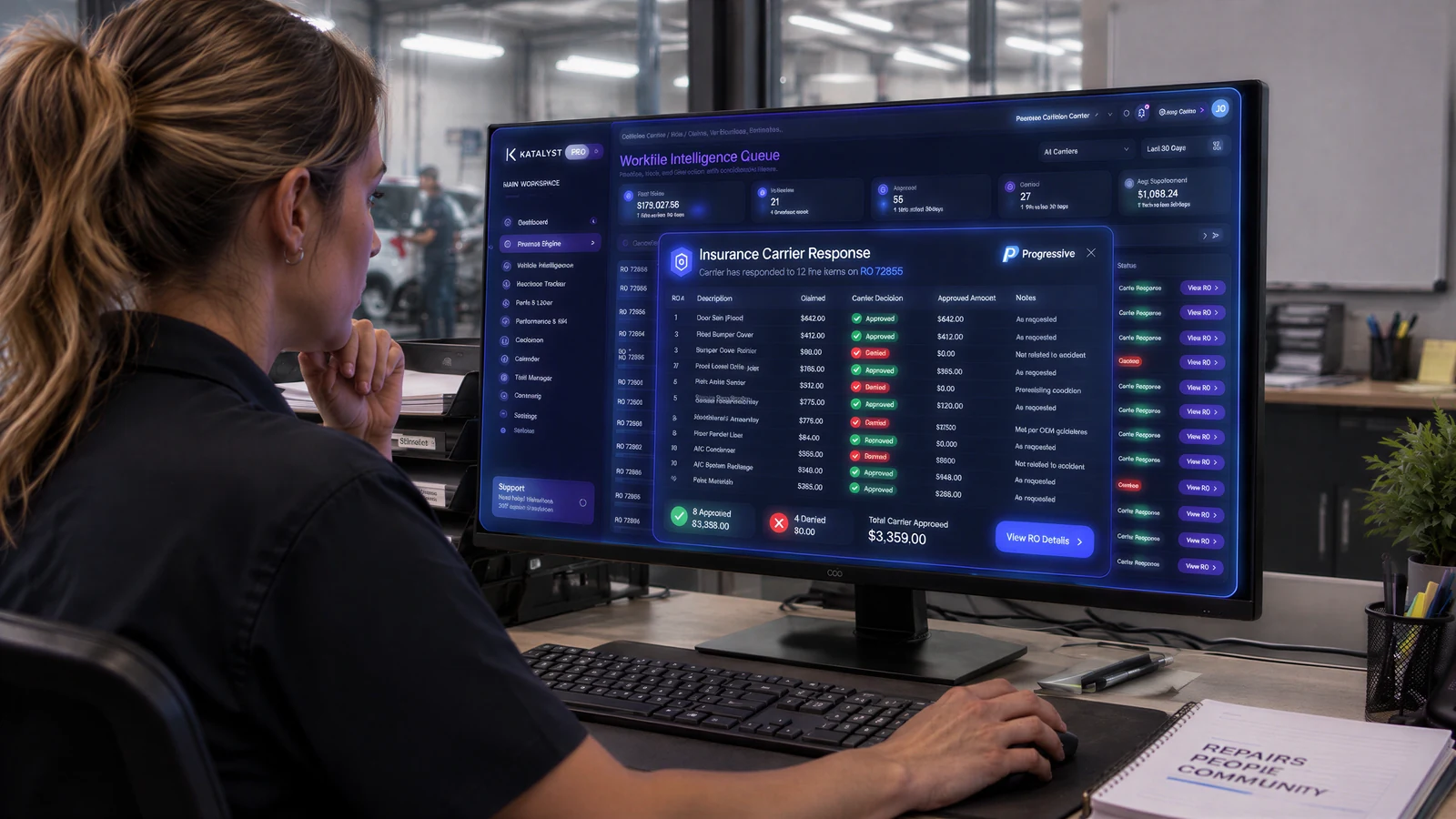
No. Katalyst gives you the photographs, the mapped damage and the report. Approval is the insurer's decision.
What if the customer disputes the extra work?
That is the case for showing them the photos early. Customers rarely argue with damage they can see on their own car.
The short version
Supplements get easier when the damage is documented before anyone needs to argue about it. Document at intake, document again when the car comes apart, and keep the photos attached to the job.
If your shop is absorbing work it should be billing, book a demo and we will show you where Fusion AI finds it.
Continue the workflow
Understand photo-based AI damage detection.
Related product workflows
 Insights
Multi-Location Auto Repair Software: One Hub for Every Shop
Running one shop is management. Running five is a data problem. How multi-location shops get one view of leads, damage, parts and payments.
 Product
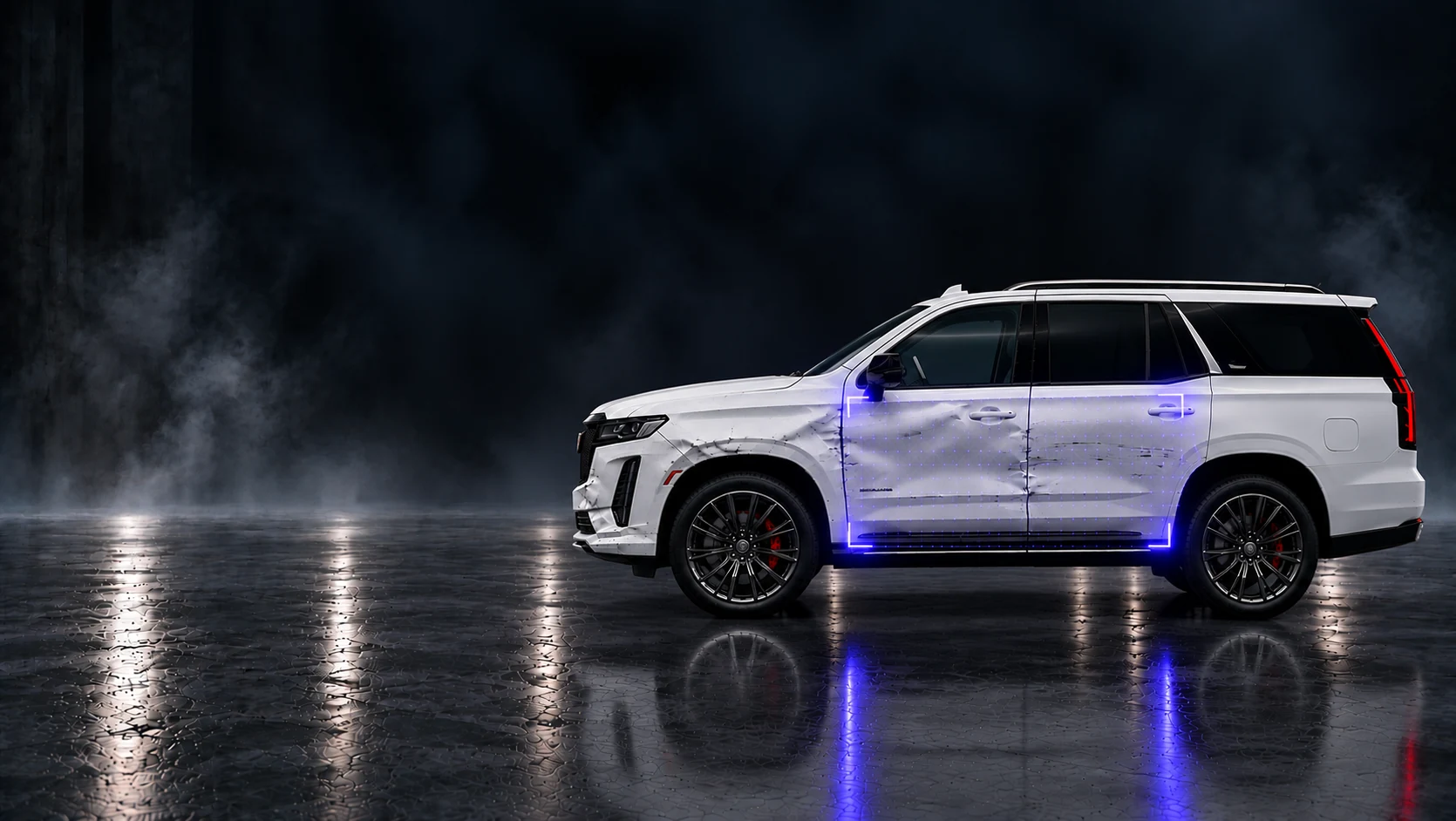
Fusion AI is now on iOS and Android
See how customer photos become a Fusion AI damage report, with supporting evidence that stays connected through the repair handoff.