What Can Vehicle Damage Photos Tell You Before Teardown?
Separate visible vehicle damage from open questions before teardown. Learn what to document, photograph more closely or verify through inspection.
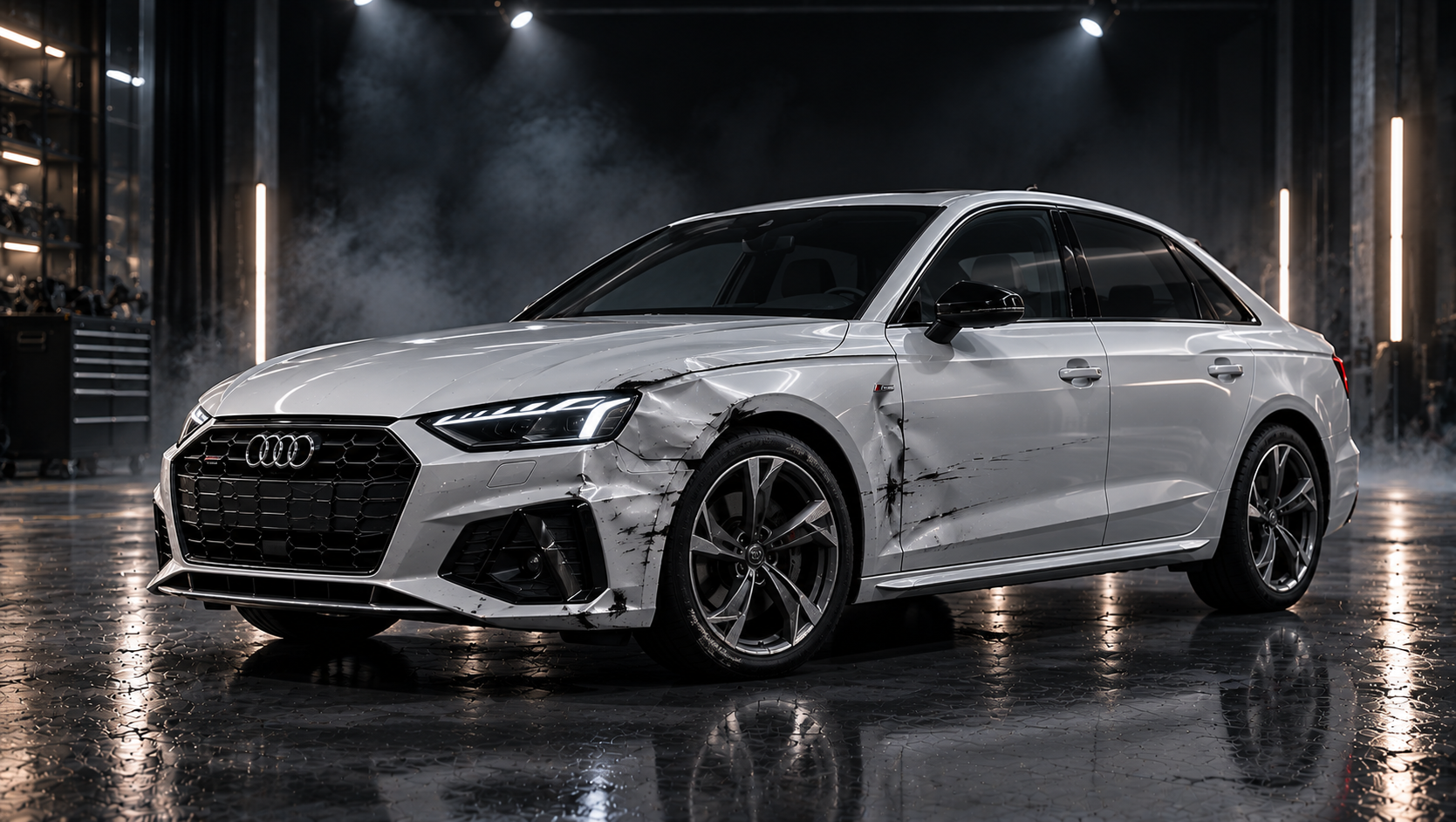
A good photo can save a shop a second trip to the customer. It can also hide problems if your team reads more into it than it shows. Before teardown, your estimator should know exactly what a photo proves, what it only suggests, and what needs a hands-on inspection.
What the photo shows clearly
Start with what's visible in the frame:
- Surface damage: Dents, scrapes, cracks, and paint transfer that are visible at the photo's angle and distance.
- Panel alignment: Gaps and misaligned edges that show up in a straight-on shot.
- Obvious structural cues: Bent parts or damage that's visible from the outside.
These are what your estimate should cite first, with the photo attached and the panel named.
What needs a closer photo
Some damage shows up only in certain light or from certain angles. Ask for these shots before writing the estimate:
- A close view of each damaged panel edge, with a reference point for scale.
- A low-angle shot to show dents and waves in the metal.
- A shot of adjacent panels, so the estimator can compare alignment.
- A photo of any fastener, bracket, or seam that the damage touches.
A closer photo doesn't prove the repair method. It gives your estimator better evidence to decide what to look at next.
What needs physical inspection
Photos can't show everything. Plan a physical inspection for:
- Hidden or internal damage behind trim, inside panels, or under the bumper.
- Structural and mounting points where the photo can't show load paths or hidden welds.
- Electrical and sensor areas that a surface photo doesn't reveal.
- Anything the photo leaves uncertain. If the estimator can't confirm it from the image, mark it as needing teardown.
Record these as deferred items with an owner and a checkpoint, not as confirmed repairs.
How to log what the photos show
For each photo, note:
- What it shows: The panel, the damage type, and the angle.
- What it doesn't show: The areas the photo can't confirm.
- Next step: Add the operation, request a closer photo, or defer until teardown.
This keeps the estimate tied to evidence, and it makes the teardown review faster.
Where Katalyst Hub fits
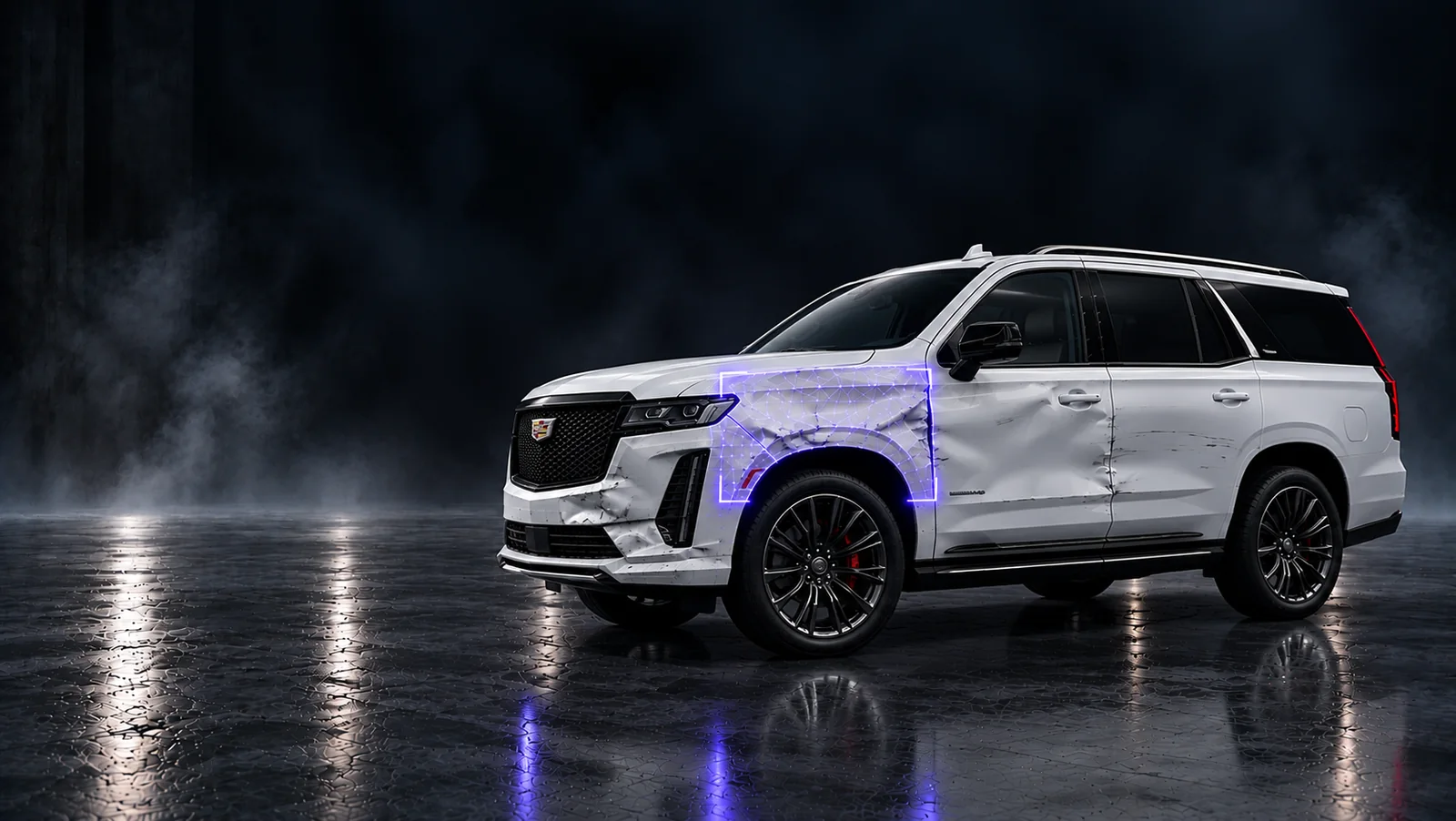
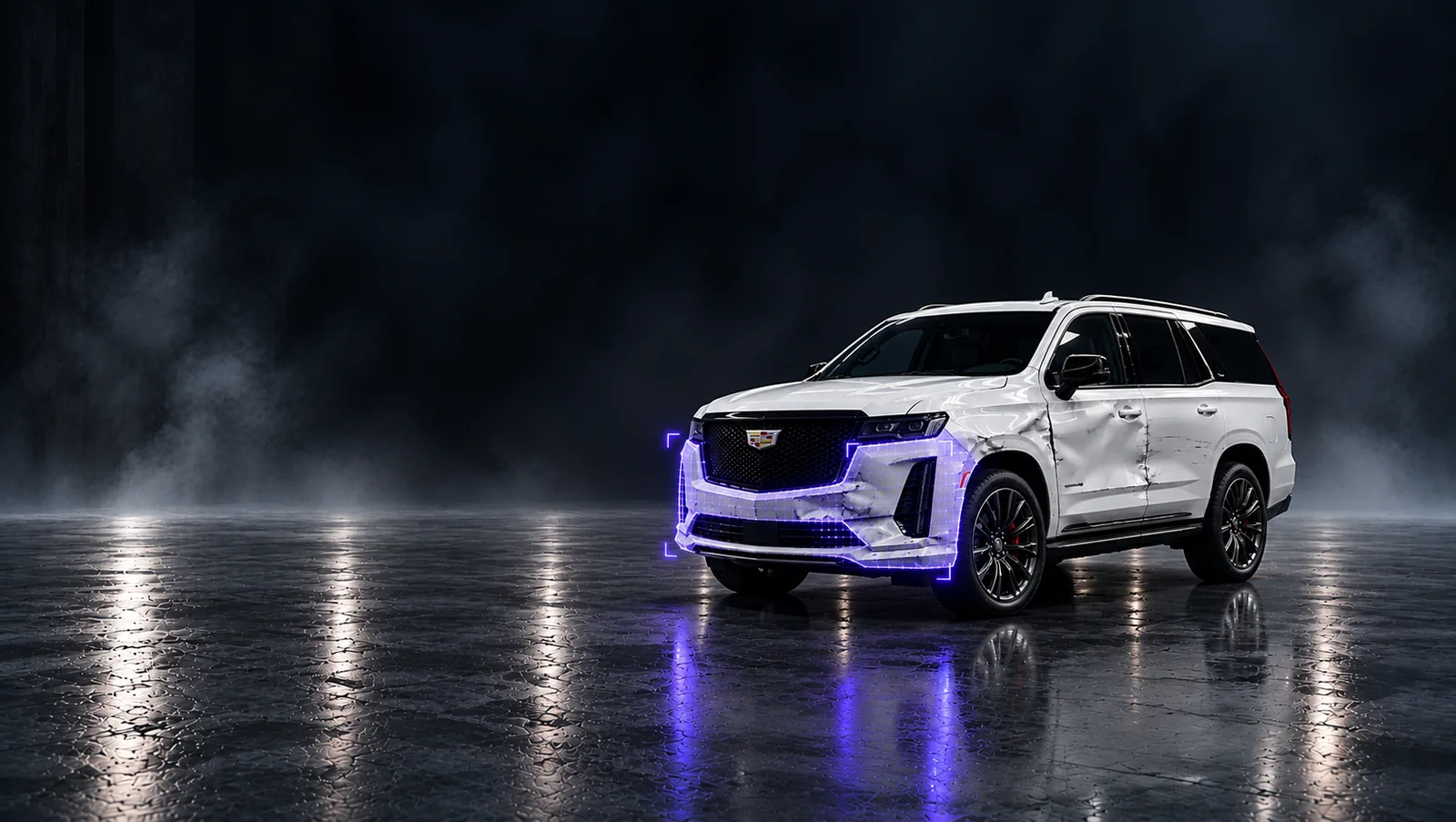
Fusion AI detects hidden vehicle damage from customer photos, pointing your team to areas that need a closer look. It doesn't replace the estimator, the teardown, or the repair procedure. Your estimator still decides what to add, reject, or defer, and records why.
Book a demo to see how Fusion AI works from customer photos in a live shop workflow.