Collision Estimate Review Options Compared
Compare manual, outsourced and software-assisted collision estimate review by inputs, evidence, turnaround and estimator oversight.
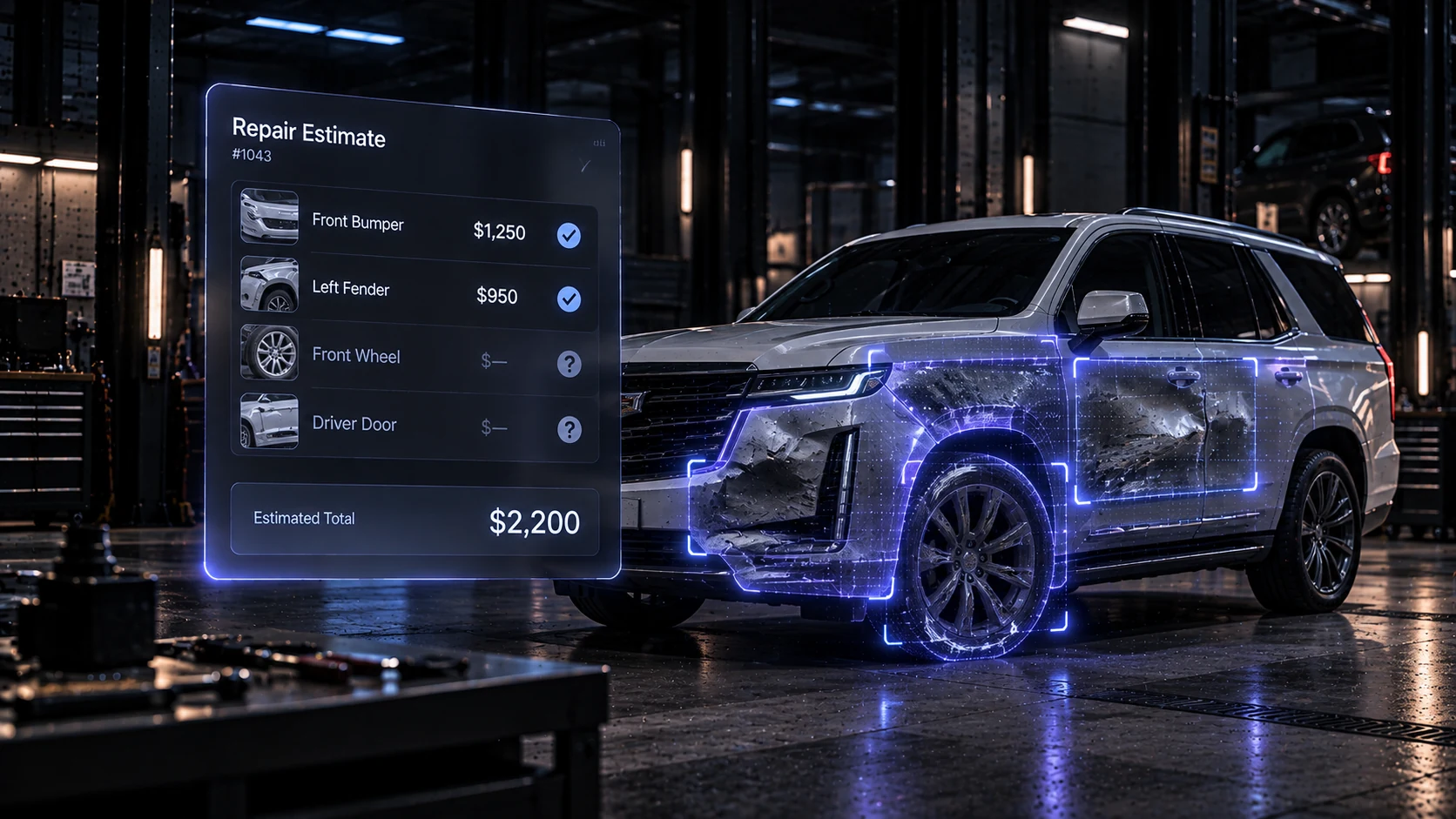
Every collision estimate gets reviewed somehow. Some shops rely on an estimator's experience and a checklist. Others send estimates to an outside review service. Some use software to flag possible omissions before submission. Each option works, but they differ in what goes in, what comes out, how fast you get answers, and how much control your estimators keep.
This guide compares the three options so you can decide what fits your shop.
The three options
1. Manual checklist review. Your estimator or a senior staff member checks the estimate against the photos, teardown notes, and the applicable procedures. The review is only as thorough as the checklist and the person using it.
2. Outside review service. A third party reviews the estimate and returns findings. This adds an independent set of eyes, but it adds a handoff and a wait.
3. Software-assisted review. Software helps the estimator compare the estimate against the work the shop plans to do, and flags items that may be missing. The estimator still makes the decision.
What to compare
| Factor | Manual checklist | Outside review service | Software-assisted review |
|---|---|---|---|
| Inputs | Estimate, photos, teardown notes | Estimate and documents you send | Estimate, photos, and shop records in the same system |
| Outputs | Notes and decisions in the file | A returned report | Flagged items with the evidence beside them |
| Turnaround | Depends on estimator availability | Depends on the service's queue | Available while the estimate is open |
| Estimator oversight | Full | Shared with the outside reviewer | Full, with the estimator deciding each flag |
| Consistency across locations | Varies by person | Depends on the service's process | Easier when every location uses the same process |
Ask each option the same questions: What does it check? What does it hand back? How long does a review take? Who makes the final call on each line?
Where CCC ONE and Mitchell fit
CCC ONE and Mitchell are widely used estimating systems. Check with your estimator which system your shop uses, and whether your review process needs to connect to it. Ask any review tool how its findings line up with the estimating system's line items, so your team isn't re-keying work.
How to choose
- Small shops with experienced estimators often start with a strong manual checklist and add a second review on large or complex jobs.
- Shops that send estimates out for review should confirm who owns each finding and how it returns to the estimate.
- Multi-location shops benefit most from a process every location follows the same way, so one shop's review standard matches another's.
Whatever you choose, record each decision beside the evidence: the estimate line, the reference used, and whether the item was added, rejected, or deferred.
Where Katalyst Hub fits
Katalyst Hub with Fusion AI supports the software-assisted option. Fusion AI detects hidden vehicle damage from customer photos, and Hub keeps the estimate work and its records in one place. The estimator still reviews every flag and makes the call.
Book a demo to see how Hub supports estimate review in your shop.